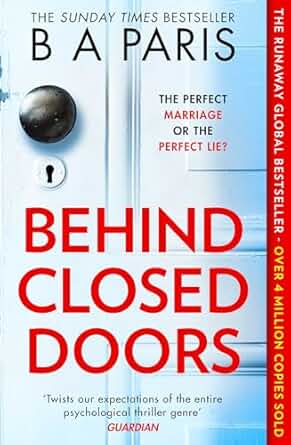
Behind Closed Doors gripped Reading Circle 254 members when we first read it back in October 2024, drawing us into a dark, tense world where a "perfect" marriage is actually a calculated nightmare. Long after the final page was turned, the chilling themes of the novel stayed with us, prompting our members to reach out with questions to explore the psychological manipulation, systemic power, and the devastating silence that defines Grace’s world.
I’m not sure that it was a swift ending as it would have taken Jack at least three days to die an agonising death from dehydration, locked in a room with no access to water. I chose for him to die that way as he had left Molly, the puppy he’d bought for Grace and Millie, to die in similar terrible conditions.
I think that instilling fear in someone through psychological control is more powerful than instilling fear through force because psychological control is easy to hide from other people whereas physical injuries are not. I built fear by allowing the reader to see the two sides of Jack – the cruel manipulator and the charming, sensitive husband – so that they could understand the impossibility of the situation Grace was in, unable to tell anyone what was happening because nobody would have believed her.
Grace’s parents were indifferent and self-centred. This emotional abuse made her determined that Millie wouldn’t suffer the same neglect so she stepped in when her parents wouldn’t or couldn’t; she took the negative and made it into a positive. In contrast, the abuse Jack suffered was much more severe, and such extreme trauma in childhood can have a profound effect on someone’s mental health. His abuse has turned him from victim to perpetrator; he took the negative and embodied it.
It wasn’t intentional on my part to highlight systematic gendered power but from my research, I knew that there were more women victims of psychological abuse than men. What I wanted to highlight in Behind Closed Doors was how difficult it is for women in a similar situation to Grace’s to be believed, when they have a husband insisting to everyone that it is all in their minds.
It was intentional in the sense that I wanted to show that Grace has no voice, either inside the home or outside. When she tries to tell anyone the terrible situation she is in, she is immediately silenced, either by Jack or by those who don’t believe that her husband is anything than a wonderful, charming man.
The utter despair of her situation and her fear of never being able to escape from Jack.
Grace’s role as Millie’s carer meant that she had to put her own dreams and desires to one side. This made her extremely vulnerable to Jack’s charm when he came along and presented himself as the man of her dreams and the solution to all her problems.
I found the subject of psychological control fascinating - but also frightening because of the inability of most victims to ask for help. I wanted to highlight their vulnerability and hoped it would help bring the subject of psychological control into the open. Once my book was published, I received messages from woman telling me that they had been in a similar situation to Grace’s, and from others who realised, after reading Behind Closed Doors, that they were being manipulated by their partners in the same way as Grace was.
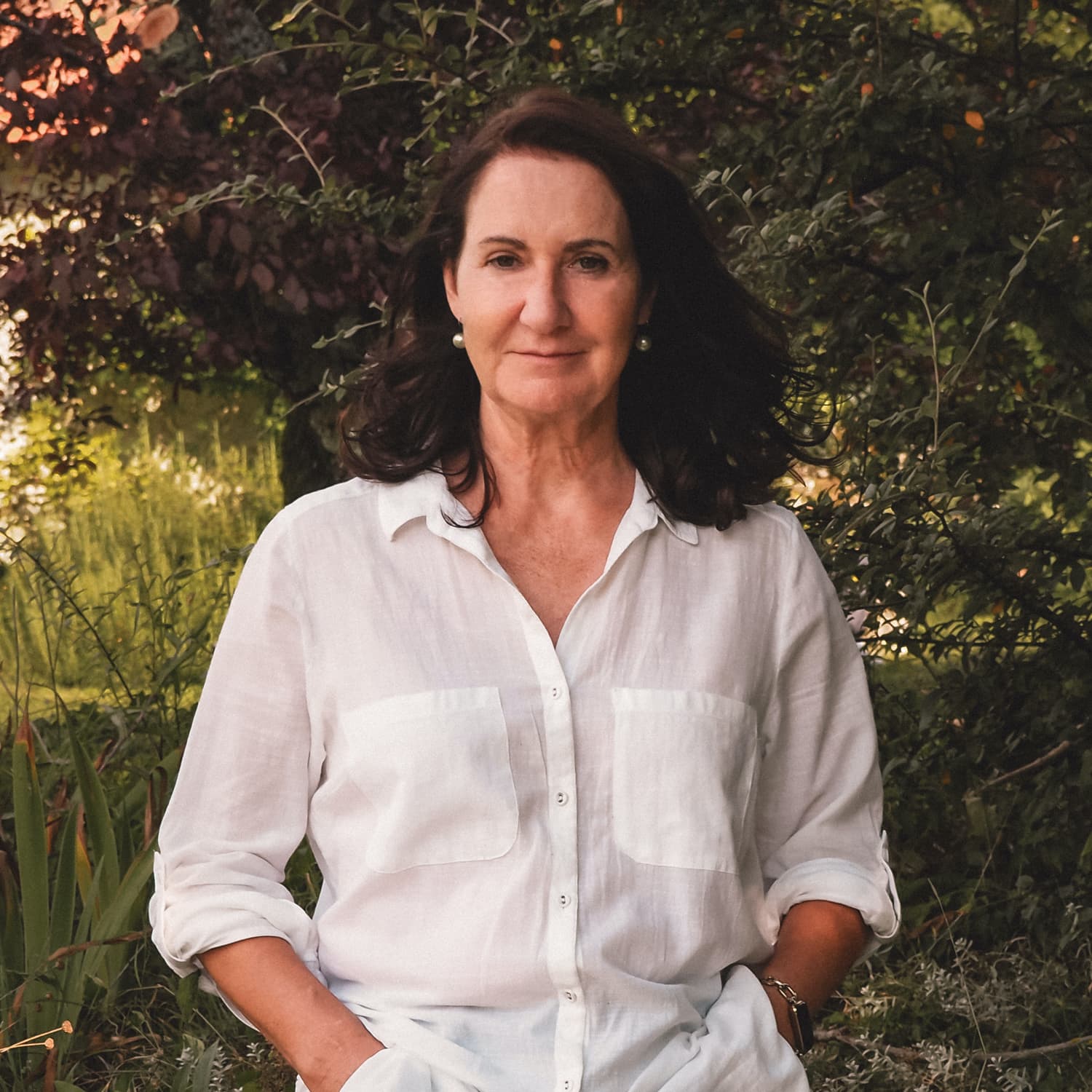
We are deeply grateful to B.A. Paris for taking the time to share these thoughtful insights into Behind Closed Doors. Her exploration of psychological control, fear, and resilience has sparked powerful conversations within our community. Stories like this remind us why we read — not just for suspense, but for understanding, empathy, and the courage to confront uncomfortable truths.